The Scale of the Problem
South Africa is facing a marriage fraud crisis that goes far beyond individual cases of deception. In 2023 alone, the Department of Home Affairs officially recorded more than 2,000 cases of fraudulent marriages — and investigators believe the real number could be closer to 7,000. These are not isolated incidents. They are part of organized, systematic schemes that exploit legal loopholes, corrupt officials, and vulnerable people.
How the Schemes Work
Marriages of Convenience: The most common form involves foreign nationals marrying South African citizens solely to obtain permanent residency or citizenship. The South African spouse may be a willing participant — paid a fee to enter the arrangement — or may be completely deceived about the true intentions of their partner.
Once residency is secured, the foreign national typically disappears from the marriage while retaining their legal immigration status. The South African spouse is left with little legal recourse and sometimes significant financial and emotional damage.
Corruption Within the System
None of this would be possible at the scale it operates without internal corruption. Investigators and journalists covering this issue have documented networks of Home Affairs officials selling documents, falsifying records, and facilitating registrations that should never have been approved.
This corruption makes the problem self-peruating — the very institution responsible for preventing marriage fraud is, in some cases, enabling it.
Mapping Global Transnational Fraud Networks
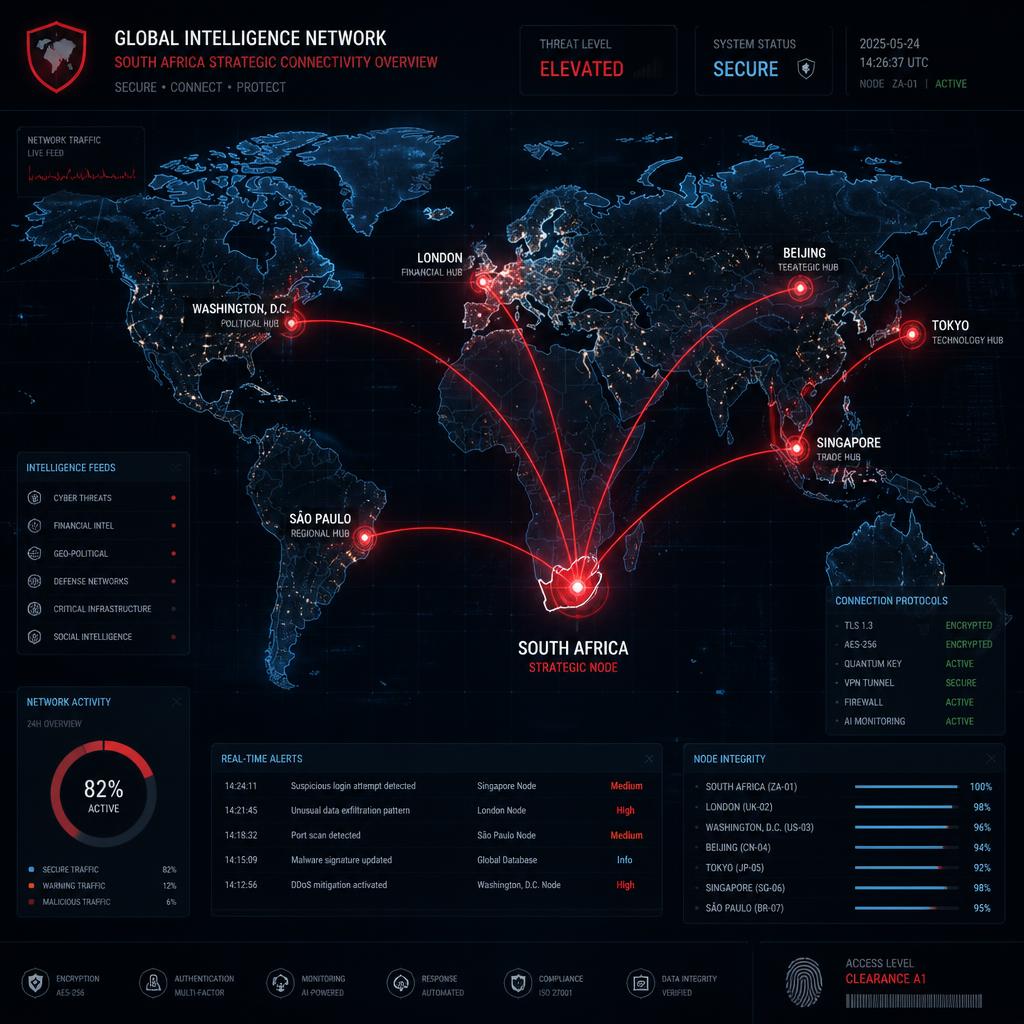
Transnational marriage fraud does not operate in a vacuum; it relies on established international transit routes and administrative blind spots between countries. By mapping these connections, the systemic nature of the deception becomes undeniable.
Who Are the Victims?
- South African Women: Whose identities are stolen and used without their knowledge or consent.
- Deceived Citizens: South African citizens recruited or deceived into marriages of convenience.
- Foreign Nationals: Individuals who genuinely fall in love and marry, only to later discover their spouse was motivated entirely by immigration status.
- Dependents: Children caught in legal limbo when fraudulent marriages collapse.
The Legal Framework and Its Gaps
South African law does criminalize marriage fraud. The Marriage Act and the Immigration Act both contain provisions addressing fraudulent unions. Penalties can include fines, imprisonment, and deportation.
However, enforcement remains deeply inconsistent. Prosecutions are rare relative to the scale of reported cases. Deportation proceedings are slow. And for victims of identity theft marriages, the process of having a fraudulent marriage legally dissolved and their records corrected can stretch on for years.
Warning Signs for Anyone Considering Marriage in South Africa
- Pressure to marry quickly, before you feel ready
- Unusual focus on the legal and immigration aspects of the marriage
- Reluctance to meet family or participate in normal relationship milestones
- Requests for money, documents, or signatures early in the relationship
- A partner who becomes distant or disappears shortly after legal processes are completed
What to Do If You Are a Victim
If you believe you are a victim of marriage fraud in South Africa:
- Contact the Department of Home Affairs to check your marital status on the National Population Register
- File a report with the South African Police Service (SAPS) — fraudulent marriage registration is a criminal offense
- Consult a family law attorney specializing in marriage annulment and identity restoration
- Contact the Legal Aid South Africa at legal-aid.co.za for free or subsidized legal assistance
- Report corruption within Home Affairs to the Public Protector at publicprotector.org
A Systemic Problem Requiring Systemic Solutions
Individual cases of marriage fraud are devastating. But what South Africa is facing is something larger — a failure of institutional integrity that allows organized crime to exploit the most fundamental legal institution of human society.
Until the corruption within the Department of Home Affairs is genuinely addressed, until prosecutions match the scale of reported fraud, and until identity protection measures are strengthened, thousands of South Africans — most of them women — will continue to be victimized by a system that should be protecting them.